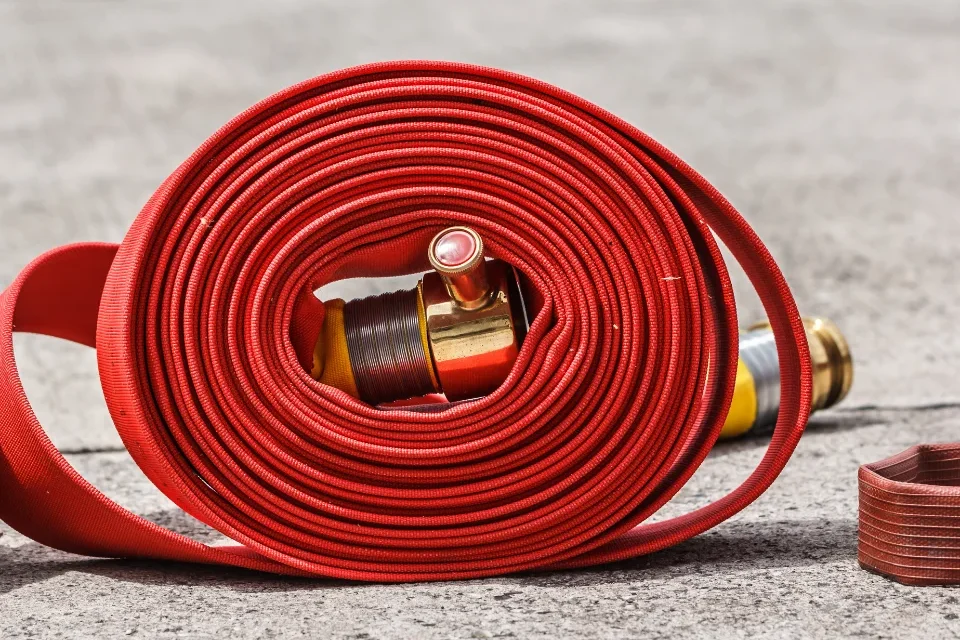
Fire hoses are the lifeline of any firefighting operation. Whether you’re a municipal fire department, an industrial safety team, or a disaster response unit, selecting the right fire fighting hose can mean the difference between controlling a blaze and catastrophic failure. At [Your Company Name], we engineer hoses that combine durability, flexibility, and unmatched pressure resistance to ensure reliability in the most critical situations.
In this guide, we’ll break down:
✔ Key features of a high-quality fire hose
✔ Different types and their applications
✔ How to maintain your hose for longevity
✔ Industry standards you should never ignore
What Makes a High-Performance Fire Fighting Hose?
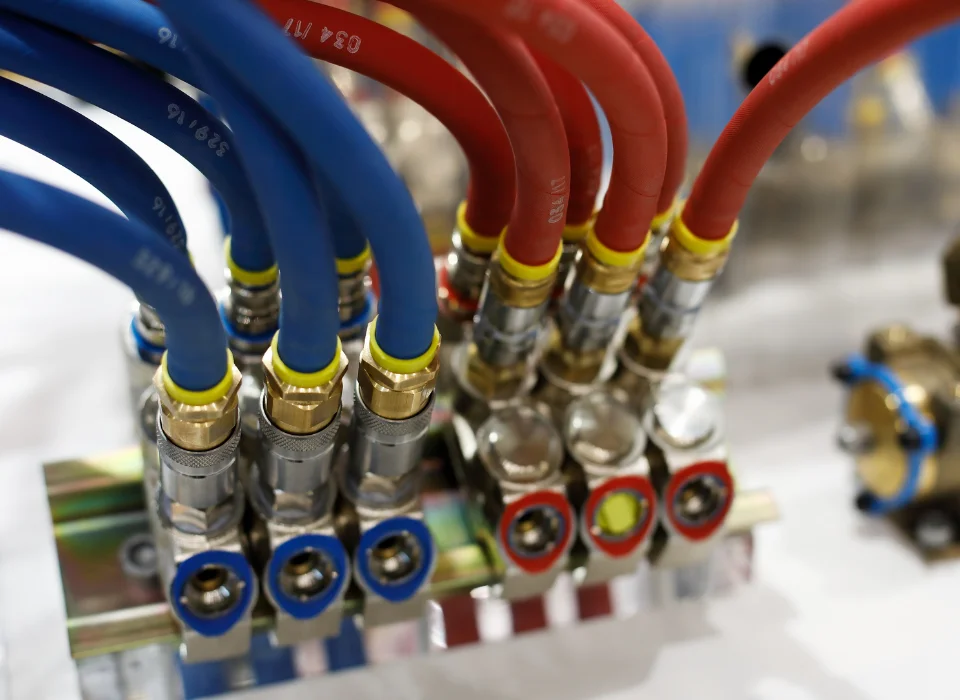
Material & Construction
Rubber-Lined Hoses: Best for durability and abrasion resistance—ideal for structural firefighting.
Thermoplastic Hoses: Lightweight and flexible, perfect for rapid deployment.
Jacket Reinforcement: High-tensile synthetic fibers (like polyester or aramid) prevent bursting under pressure.
Pressure Rating
Low-Pressure (150–300 PSI): Suitable for small fires, brush trucks, and forestry.
High-Pressure (300–600 PSI): Essential for industrial and municipal firefighting.
Temperature Resistance
A top-tier hose should withstand:
-30°C to +150°C (for freezing winters and intense heat).
Certifications
Always check for:
✔ NFPA 1961 (U.S. Standard)
✔ EN 694 (European Standard)
✔ ISO 6806 (International Testing)